
Spain football shirt history: From classic red to modern icons
The Spain football shirt history is a fascinating journey through football culture, national pride, and evolving sports fashion. Over the decades, Spain’s national team shirts have transformed from simple classic designs into globally recognized football icons. Every jersey tells a story of triumph, heartbreak, and the evolution of one of the most successful football nations in history.
From the early red shirts of the 1920s to the modern Adidas masterpieces worn by stars like Xavi, Iniesta, and Sergio Ramos, Spain’s football kits reflect both tradition and innovation. In this article, besoccer explores the complete history of Spain football shirts and how they became legendary among football fans worldwide.
Spain football shirt history: From classic red to modern icons
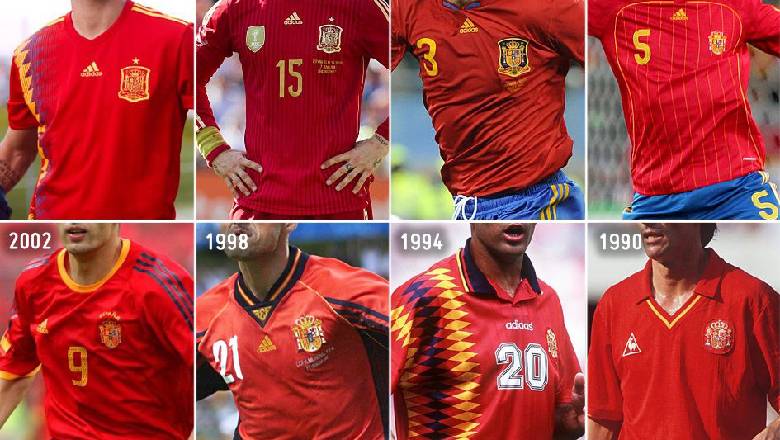
The origins of Spain football shirts
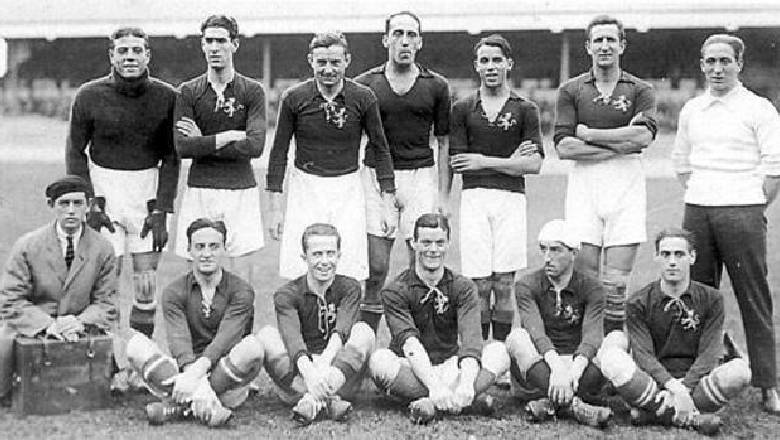
Spain played its first international football match in 1920 during the Olympic Games in Antwerp. The team wore red shirts with white shorts and black socks, establishing the iconic color combination that remains associated with the national side today.
The choice of red represented courage and national identity. Over time, Spain became known as ‘’La Roja’’, meaning ‘’The Red One’’, because of the distinctive jersey color. In the early decades, football shirts were made from heavy cotton materials and featured very simple designs compared to today’s modern kits.
Despite limited technology in sportswear manufacturing, these vintage Spain shirts are now considered valuable collector’s items among football enthusiasts.
The evolution during the mid-20th century
During the 1950s and 1960s, Spain football shirts started to evolve with cleaner tailoring and lighter fabrics. The national federation experimented with different shades of red while occasionally introducing blue details on the collar and sleeves.
One memorable shirt from this era was worn during the 1964 UEFA European Championship, where Spain defeated the Soviet Union to win its first major international trophy. The jersey remained simple but elegant, symbolizing the beginning of Spain’s rise in European football.
By the 1970s, sportswear companies began influencing football fashion more heavily. Shirt materials became more breathable, and manufacturers added subtle patterns and stripes to improve visual appeal.
The adidas era begins
A major turning point in Spain football shirt history came when Adidas became the official kit supplier. The partnership introduced modern aesthetics, advanced fabric technology, and globally recognizable designs.
Throughout the 1980s and 1990s, Spain wore several memorable shirts featuring bold graphics and distinctive shoulder stripes. The 1994 FIFA World Cup jersey became especially iconic due to its unique geometric patterns inspired by Spanish art and culture.
Fans appreciated how Adidas balanced traditional red colors with modern creativity. This period also marked the beginning of football shirts becoming fashionable lifestyle products rather than only sports uniforms.
Spain's golden era and iconic kits
The most successful period in Spanish football history occurred between 2008 and 2012. During these years, Spain won two UEFA European Championships and the 2010 FIFA World Cup.
The shirts worn during this golden era became legendary among supporters. The 2010 World Cup home jersey, featuring elegant gold accents and a minimalist design, symbolized Spain’s dominance on the global stage.
Players like Andrés Iniesta, Xavi Hernández, David Villa, and Iker Casillas turned these kits into symbols of football excellence. Iniesta’s winning goal against the Netherlands in the 2010 World Cup Final made the jersey unforgettable in football history.
Because of these historic victories, Spain shirts from this era remain among the best-selling international football jerseys ever produced.
Design changes in modern Spain shirts
Modern Spain football shirts combine performance technology with stylish visual elements. Adidas continuously updates the designs while preserving the traditional red identity.
Recent kits have introduced gradient graphics, artistic patterns, and retro-inspired details. Advanced materials now improve player comfort by increasing breathability and reducing weight during matches.
Away kits have also become increasingly creative. Spain has worn navy blue, white, light blue, and even pastel-colored alternate jerseys in recent tournaments. These modern variations appeal strongly to younger football fans and collectors.
Environmental sustainability has also become important in modern football shirt production. Many recent Spain jerseys are made using recycled polyester materials as part of Adidas’ eco-friendly initiatives.
The cultural impact of Spain football shirts
Spain football shirts are more than sports apparel. They represent national pride, football heritage, and unforgettable sporting memories.
Fans worldwide wear Spain jerseys to celebrate famous players and historic moments. The shirts are especially popular because of Spain’s attractive tiki-taka playing style, which dominated world football for years.
Vintage Spain shirts have also become highly desirable in football fashion culture. Collectors often search for classic jerseys from World Cups and European Championships, particularly rare match-worn editions.
Today, Spain football shirts continue influencing football fashion trends globally, blending tradition with modern innovation.
The Spain football shirt history reflects the incredible evolution of Spanish football itself. From basic cotton jerseys in the 1920s to technologically advanced modern kits, every design represents an important chapter in the nation’s sporting journey.
Spain’s football shirts have witnessed historic victories, legendary players, and unforgettable moments that shaped world football. As new generations of fans continue supporting La Roja, the iconic red jersey remains one of the most respected and recognizable football shirts in the world. Follow besoccer.mobi for more interesting stories about players, football fixtures and hottest news.
The Most Popular
-
 Most famous Nigerian footballers: Legends who changed African football
 -
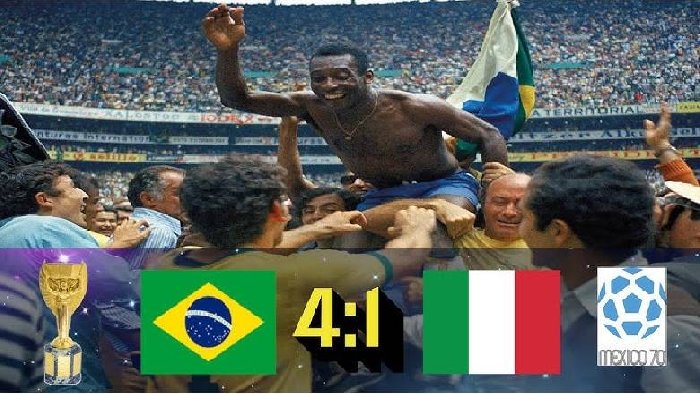 Italy biggest loss in football: The heaviest defeats in history
 -
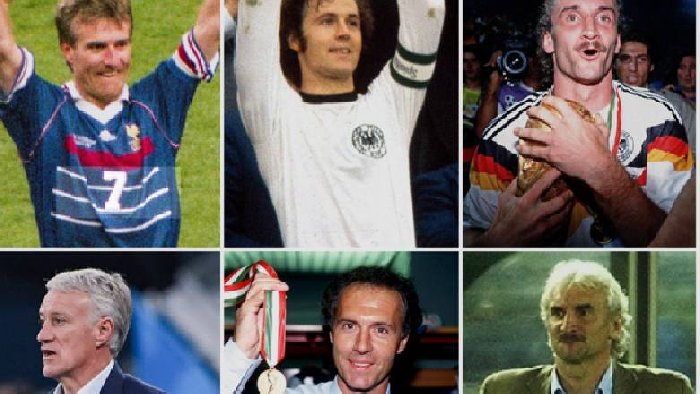 World Cup winners as player and manager: Legendary figures who made history
 -
 Valverde position in Real Madrid: Tactical role, strengths, and evolution
 -
 How many Puskas Awards does Son have? Full breakdown of his historic achievement
 -
 FIFA dimensions of a soccer field: Official size, markings, and standards explained
 -
 Top 10 best German midfielders of all time - Icons who dominated the match
 -
 Top 10 the best players in Nigeria 2025: Ranking the super stars
 -
 How much did United pay for Sancho? Full transfer breakdown
 -
 How much did Real Madrid pay for Rodrygo? Full transfer fee, contract và analysis