
What is a back pass in football? Everything you need to know
In football, a back pass is when a player intentionally passes the ball back to their own goalkeeper. While back passes are a normal part of the game, the term "back pass" is often used when discussing a specific rule that restricts how goalkeepers handle such passes. Let's explore what is a back pass in football and how to avoid committing a foul with besoccer.mobi.
The back pass rule is one of the most important and sometimes misunderstood regulations in modern football. It directly affects how defenders and goalkeepers interact and plays a key role in maintaining the speed and fairness of the game.
What is a back pass in football?
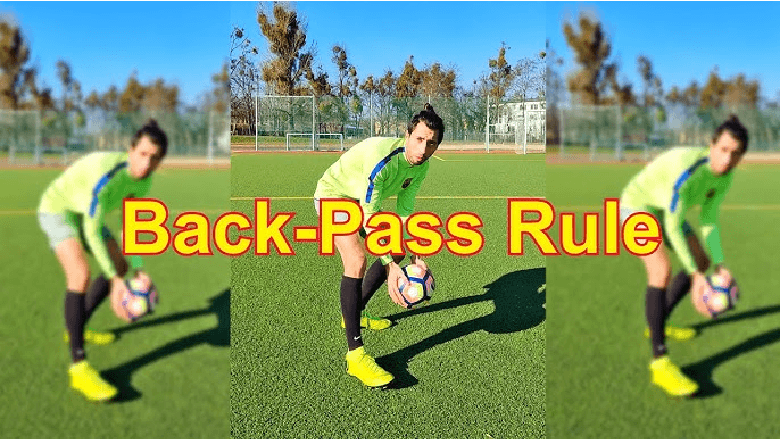
The official back pass rule explained
According to the official laws of football, a goalkeeper is not allowed to pick up the ball with their hands if it has been deliberately kicked to them by a teammate using their foot.
This rule includes several important conditions:
The pass must be intentional, not accidental
The ball must be played with the foot (not the head, chest, or knee)
The goalkeeper can still use their hands if the ball comes from a deflection or rebound
If a goalkeeper handles a deliberate back pass, the referee will award the opposing team an indirect free kick from the location where the goalkeeper touched the ball.
An indirect free kick means that the ball must touch another player before a goal can be scored.
Why was the back pass rule introduced?
The back pass rule was introduced in 1992 by the FIFA after widespread criticism of overly defensive and time-wasting tactics in football matches.
Before this rule existed, defenders could repeatedly pass the ball back to the goalkeeper, who could then pick it up, hold it for several seconds, and slow down the game. This made matches less exciting and reduced attacking opportunities.
The rule was designed to: Increase the tempo of matches, discourage time-wasting. Today, this rule is considered essential in shaping modern football tactics.
Examples of back pass situations
Understanding practical examples is the best way to fully grasp the back pass rule.
Legal situations
A defender heads the ball back to the goalkeeper → The goalkeeper can pick it up
A defender passes the ball backward but mis-kicks it accidentally → The goalkeeper can handle it
The ball deflects off a player’s foot unintentionally → Handling is allowed
Illegal situations
A defender deliberately kicks the ball back to the goalkeeper → Handling is not allowed
A player uses a trick (such as flicking the ball up to head it) to bypass the rule → Still considered an offense
A short pass inside the penalty area intended for the goalkeeper → Still counts as a back pass
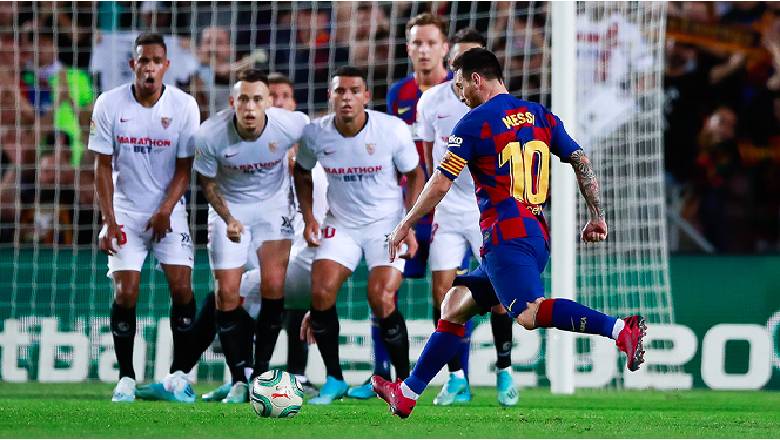
Common mistakes and misunderstandings
Even experienced players, fans, and commentators sometimes misunderstand the back pass rule. Here are some of the most common misconceptions:
1. All backward passes are illegal
This is incorrect. Players can pass the ball backward freely. The restriction only applies when the goalkeeper uses their hands after a deliberate kick.
2. The goalkeeper cannot touch the ball at all
Goalkeepers are still allowed to control and play the ball using their feet. In fact, modern goalkeepers are expected to be highly skilled with their feet.
3. The punishment is a direct free kick
In reality, the punishment is always an indirect free kick, which can make it very dangerous if it occurs inside the penalty box.
Tips to avoid back pass violations
To prevent costly mistakes, teams should follow these practical tips:
Defenders should avoid passing directly back under pressure
Communication between defenders and goalkeepers is essential
Goalkeepers should always be ready to use their feet
Players should stay aware of their positioning inside the penalty area
Practicing these habits can significantly reduce the risk of conceding dangerous free kicks.
The back pass rule is a fundamental part of modern football that helps ensure the game remains fast, fair, and exciting. By preventing goalkeepers from handling deliberate passes from teammates, it eliminates time-wasting tactics and encourages more dynamic play.
We've clearly analyzed what is a back pass in football? Whether you're a beginner learning the basics or a passionate fan analyzing matches, understanding the rules of backward passing will give you a deeper understanding of the game and its tactics. For more information on football fixtures and the latest news, please visit my page.
The Most Popular
-
 Most famous Nigerian footballers: Legends who changed African football
 -
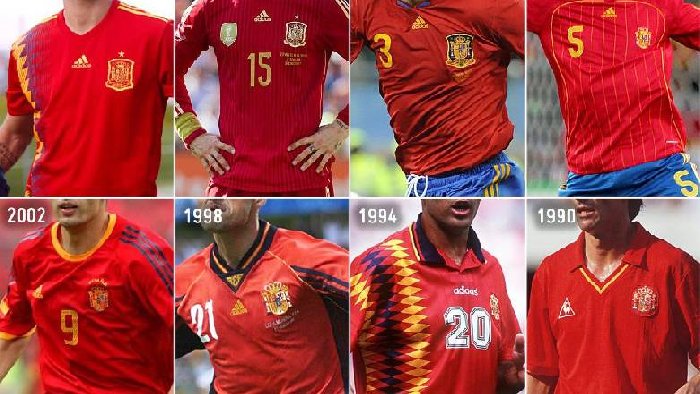 Spain football shirt history: From classic red to modern icons
 -
 Italy biggest loss in football: The heaviest defeats in history
 -
 World Cup winners as player and manager: Legendary figures who made history
 -
 Valverde position in Real Madrid: Tactical role, strengths, and evolution
 -
 How many Puskas Awards does Son have? Full breakdown of his historic achievement
 -
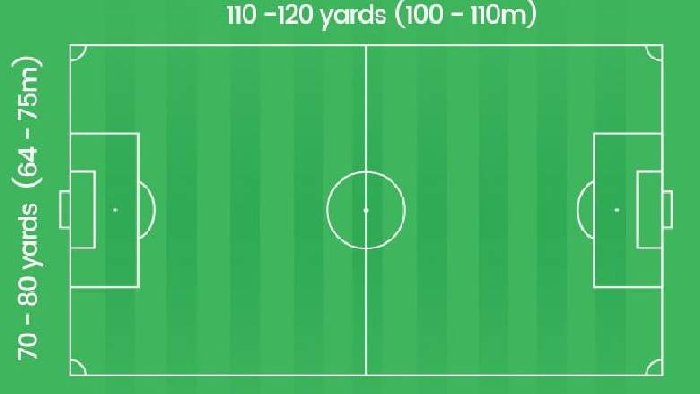 FIFA dimensions of a soccer field: Official size, markings, and standards explained
 -
 Top 10 best German midfielders of all time - Icons who dominated the match
 -
 Top 10 the best players in Nigeria 2025: Ranking the super stars
 -
 How much did United pay for Sancho? Full transfer breakdown