
How much weight does a soccer player lose during a game? (Full breakdown)
Soccer is one of the most physically demanding sports in the world. Players run continuously for 90 minutes, often covering distances of 10-13 kilometers per match. With this level of intense activity, a common question arises: how much weight does a soccer player lose during a game? Let's explore this topic with besoccer.mobi.
How much weight does a soccer player lose during a game?
The answer might surprise you. On average, a soccer player can lose between 1 to 3 kilograms (2.2 to 6.6 pounds) during a single match. However, this weight loss is not fat, it is primarily water weight lost through sweat. The main reason for weight loss during a soccer match is fluid loss. When players exert themselves, their bodies generate heat. To regulate temperature, the body produces sweat, which evaporates and cools the skin.
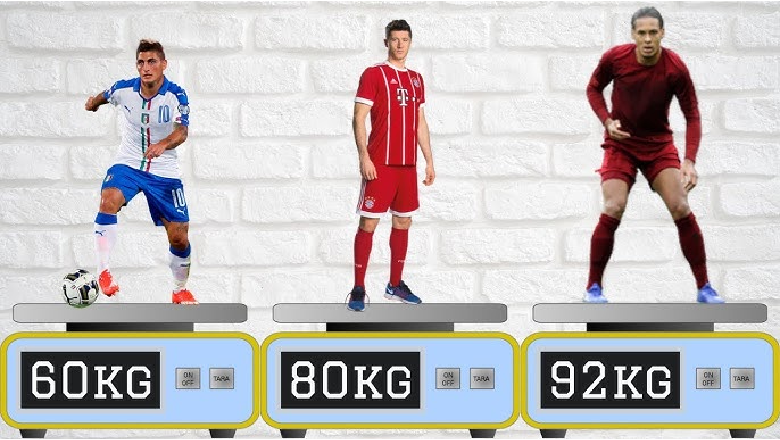
Several factors influence how much weight a player loses:
1. Intensity of the match
High intensity matches with constant running, sprinting, and pressing lead to more sweating and greater weight loss.
2. Weather conditions
Weather conditions such as extreme heat or humidity can worsen this effect. When playing in hot environments, the body produces more sweat to regulate temperature. This leads to a large loss of fluids and electrolytes. If players fail to rehydrate properly during and after the match, they may experience dehydration and temporary weight loss. Cold weather, on the other hand, can also increase energy consumption as the body works harder to maintain its core temperature. In extreme heat, some athletes may lose over 3 kilograms in a single game.
3. Player position in the match
Midfielders typically lose the most weight because they cover the greatest distance on the field. Goalkeepers, on the other hand, lose significantly less.
4. Individual body differences
Each player's metabolism, fitness level, and sweat rate vary. Some people naturally sweat more than others.
Is weight loss permanent?
No, the weight loss during a soccer game is temporary. It mainly reflects dehydration rather than fat loss. Once players rehydrate by drinking water or sports drinks, they regain most or all of the lost weight. To lose just 0.5 kilograms of fat, a player would need to burn roughly 3,500 calories more than they consume something that doesn't happen in a single match.
How much do soccer players sweat?
On average, soccer players can lose 1 to 2.5 liters of sweat per hour during intense play. Over a full 90 minute match, this can easily reach 2 to 4 liters, depending on conditions.
This is why professional teams carefully monitor hydration levels before, during, and after games.
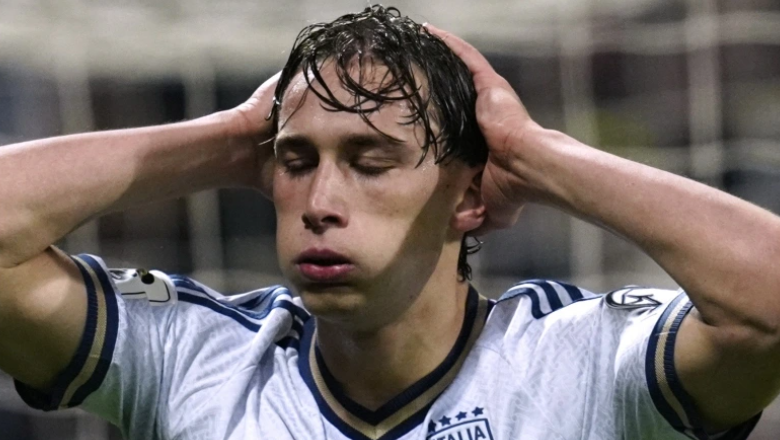
The impact of dehydration on performance
Losing too much water without proper hydration can negatively affect performance. Even a 2% loss in body weight due to dehydration can lead to:
Reduced endurance
Slower reaction time
Decreased strength
Impaired decision making
At higher levels of dehydration, players may also experience dizziness, cramps, or heat exhaustion.
How do soccer players stay hydrated?
Professional soccer players follow strict hydration strategies to maintain peak performance:
Before the match
Players drink fluids in advance to start the match fully hydrated.
During the match
Although soccer has limited breaks, players often hydrate during stoppages and halftime.
After the match
Rehydration is critical. Players consume water and electrolyte rich drinks to replace lost fluids and minerals such as sodium and potassium.
Do soccer players lose fat during a game?
While players burn a significant number of calories typically 500 to 1,000 calories per match, this does not directly translate into noticeable fat loss after a single game. Fat loss occurs gradually over time with consistent training and proper nutrition, not from one match alone.
So, how much weight does a soccer player lose during a game? The short answer is 1 to 3 kilograms, mostly due to sweating and fluid loss. This weight is temporary and is quickly restored through proper hydration. Are you satisfied with the answer from besoccer?
Understanding this process highlights just how physically demanding soccer is and why hydration plays a crucial role in athletic performance. Whether you're a player or a fan, knowing the science behind the game adds a whole new level of appreciation. To explore more of the latest updated football new, visit our page for more information.
The Most Popular
-
 Most famous Nigerian footballers: Legends who changed African football
 -
 Spain football shirt history: From classic red to modern icons
 -
 Italy biggest loss in football: The heaviest defeats in history
 -
 World Cup winners as player and manager: Legendary figures who made history
 -
 Valverde position in Real Madrid: Tactical role, strengths, and evolution
 -
 How many Puskas Awards does Son have? Full breakdown of his historic achievement
 -
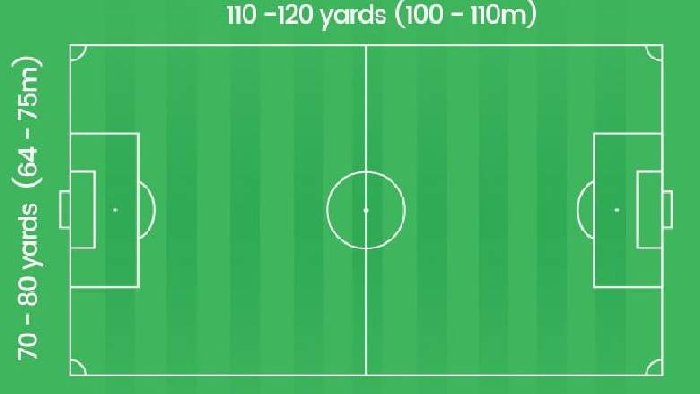 FIFA dimensions of a soccer field: Official size, markings, and standards explained
 -
 Top 10 best German midfielders of all time - Icons who dominated the match
 -
 Top 10 the best players in Nigeria 2025: Ranking the super stars
 -
 How much did United pay for Sancho? Full transfer breakdown